Ceramic porcelain insulators, built for high voltage
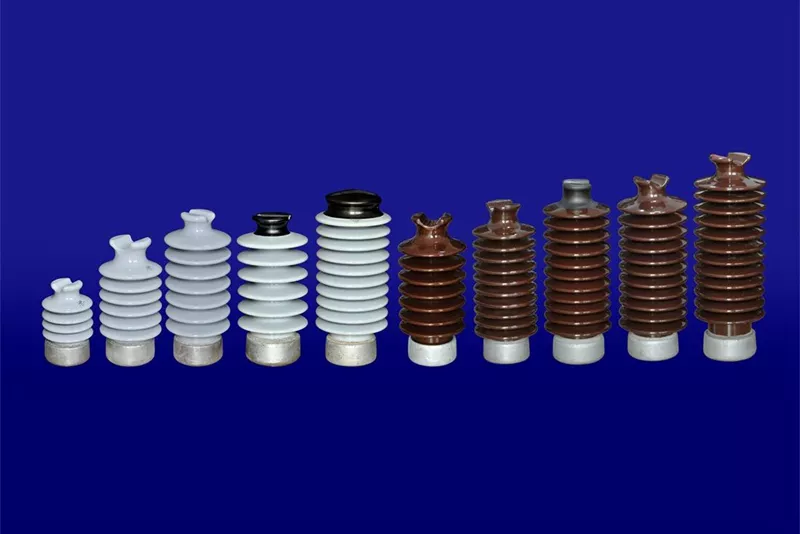
We craft a wide range of shapes for ceramic porcelain insulators, including ceramic heat sinks and electrical insulators. If a standard part does not fit your application, we design a custom solution that does.
What are ceramic porcelain insulators?
Ceramic electrical insulators provide non-conductive bridges between electronic components. They are also installed into control boards and boxes as heat sinks.
Ceramic is fast becoming the material of choice over glass for insulation, because it outperforms glass on nearly every metric that matters in the field.
Why ceramic insulators over glass?
Lighter weight
Easier to handle and install without sacrificing performance.
Higher heat resistance
Holds up under thermal loads that compromise glass.
Higher thermal shock resistance
Survives rapid temperature swings without cracking.
Higher voltage handling
Engineered for high-voltage loads in power and transmission.
Better in wet conditions
Performs reliably outdoors and in damp environments.
More damage resistant
Tougher against installation, shipping, and corrosion damage.
Materials we use for insulators
96% Alumina
High strength and dielectric performance for demanding insulation.
Zircon and Mullite
Thermal stability for high-temperature insulation.
Porcelain and Steatite
Proven, cost-effective bodies for general electrical insulation.
Cordierite range
Self-glazing, dense, and zircon cordierite for thermal-shock duty.
We have been providing ceramic engineering solutions to businesses in Australia and abroad for decades. If you need insulators or ceramic tubes, our team can find a fit.
Ceramic Porcelain Insulators: common questions
Can you match an existing insulator I am importing?
What materials do you use for insulators?
Do you make ceramic heat sinks?
Related products
Alumina Ceramics
92-99.8% pure alumina. Wear-resistant plates, tubes, and any formed shape, fired in our continuous tunnel kilns.
Wire Wound Resistors
Fixed, adjustable, and variable power resistors including rheostats. D-type and V-type coatings. 25 years of supply.
Wet Pressing
For lower volumes and shapes dry pressing cannot form. Large porcelain parts, alumina blocks, grid resistors.
Need ceramic porcelain insulators?
Send a drawing, a sample, or just a description of what is failing. We will reply within 2 business days with whether we can make it, how, and at what price.